
Scheme-Based Traffic: How It Works, Where It Is Used, and the Risks for a Webmaster
Scheme-based traffic consistently brings high ROI, but at the same time, it remains one of the most risky directions in traffic arbitrage. High margins are accompanied by constant blocks in affiliate networks, and in a number of cases, actual problems with the law.
In this article, we will examine the specifics of running scheme-based traffic, analyze the verticals, approaches, and legal consequences.
What Is Scheme-Based Traffic
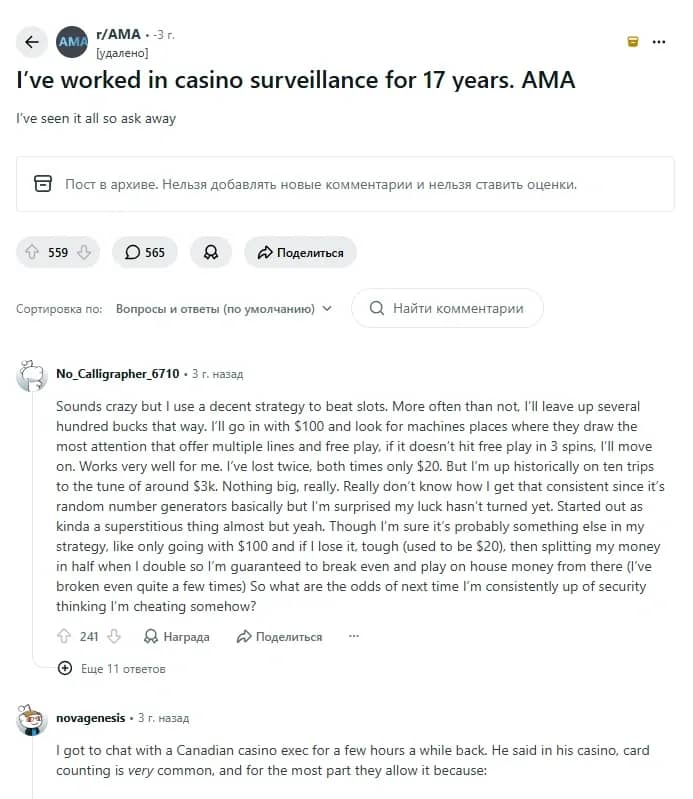
Scheme-based traffic is a type of incentivized traffic where a user is offered to "make money" according to a pre-defined algorithm. For example, in iGaming, they often act through a story about "a casino hack scheme with no risks": the user is explained what needs to be done on the platform to supposedly bypass the system and make money.
In essence, the affiliate marketer sells a legend to the user: a tester found an error, a former employee shared a loophole, an insider showed a platform vulnerability. The motivation is built on the expectation of winning, for the sake of which the player deposits money into the platform themselves.
An example of such a path:
- Register using the affiliate's referral link.
- Make a deposit of the specified amount.
- Spin a slot according to the given parameters (number of lines, bet size, number of spins).
In Which Verticals Scheme-Based Traffic Works
Such a model converts in those niches where users are looking for a quick way to make money.
Gambling. The main volume of scheme-based traffic is concentrated here. The affiliate marketer gives the audience a scheme to "hack" a specific slot: the exact amount of the first deposit, the number of playlines, and a clear sequence of bets. Users register via a referral link to repeat this tactic: they top up their account, launch the game, spin the slot according to the issued rules, and in most cases, lose.
Betting. They offer supposedly insider information, for example, about fixed matches. The user may be leaked the exact score and explained in which bookmaker website they need to place a bet so that no problems arise.
Crypto, Trading, and Binary Options. In such niches, the audience is warmed up through a legend about private trading signals. Subscribers may be told about the imminent rise of obscure coins and led to register on an exchange or trading platform where they need to repeat the author's transaction.
Why Not All Affiliate Networks Accept Scheme-Based Traffic
Any licensed casino depends on regulator requirements, whether it is Curacao, MGA, or a local license. Their rules usually strictly specify that gambling cannot be advertised as a way to make money, so scheme-based creatives with "insider info", "slot hacking", and guaranteed profit can turn into big problems for the brand.
A player who drained their money using a non-working scheme can go to AskGamblers and local review sites, attach screenshots of the correspondence, and accuse the casino of fraud. Such reviews quickly hit trust: a new user googles the brand and sees a story about a scam.
Scheme-based traffic overloads casino call centers and online chats: players write to support in droves with complaints like: "I did everything according to the instructions, where is my win?". Support operators spend time analyzing trash tickets, lines get clogged, real VIP clients wait longer for an answer: as a result, operating expenses rise and the loyalty of the paying audience drops.
For casino anti-fraud systems, scheme-based traffic looks almost identical to direct fraud: fraudulent webmasters can register accounts themselves, simulate player activity, and make minimal deposits for the sake of CPA payouts. In the end, it is easier for the advertiser to completely ban it than to manually resolve each disputed situation.
An affiliate program aggregates offers and risks its own reputation before the brand. If one affiliate marketer runs scheme-based traffic, the casino has the right to freeze payouts to the entire network or completely disable its offer for them. It is unprofitable for the affiliate network to jeopardize contracts with major brands and the income of honest webmasters for the sake of testing questionable schemes.
What Approaches Work in Scheme-Based Traffic
Below, we will analyze the main mechanics on which scheme-based links are built.
Algorithm Vulnerability and Slot Bug
The approach is based on a story about a found vulnerability. The legend is led on behalf of a person with a technical background: a programmer, a tester, a former employee, or a hacker. The user is told about a glitch in a specific slot, a simple explanation of the random number generator is added, and the result is tied to a certain betting logic. Due to the technical delivery, the scheme looks like a calculated algorithm, where victory supposedly depends on the correct sequence of actions.
Offended Employee
The scenario is based on a personal grievance: the author presents themselves as a former developer or security employee of an online casino whom management unfairly fired and left without the promised payouts. After that, the character allegedly begins leaking internal vulnerabilities of the platform. For the user, such a story looks convincing: they feel that they are getting access to closed information and are simultaneously participating in punishing an unfair company.
AI Bots as a Funnel for Crash Games
In gambling, funnels for popular crash games of the Aviator, Lucky Jet, or JetX formats are actively used. The legend here is built on the use of AI: the affiliate marketer positions the Telegram bot as complex analytical software that supposedly intercepts round hash codes and calculates the random number generator algorithm.

When a user lands in the bot, the script issues a welcome message describing the percentage of successful predictions. To get access to the signals, a condition is set for the user: they must register a new profile in a specific casino using a referral link and send their numerical ID to the bot.
The bot programmatically simulates checking the received ID for binding to the desired affiliate network, after which the script outputs generated signals. The user receives messages of the format: "Next Aviator round: cash out at a multiplier of 2.15x". The lead makes a real deposit, places bets according to the issued timings, and, as a rule, drains the balance.
Fixed Matches in Niche Events
Affiliate marketers use eSports and regional leagues because such events look less secure to the audience in terms of match-fixing. It is easier for a user to believe that in an obscure tournament, people could agree on something for the sake of grey income. The legend is supported by fake chats with athletes and a limited window for placing a bet. The user is told that other bookmakers have already removed the event, but the required bookmaker website has temporarily left it in the line.
VIP Signals and Trading Bots
The author positions themselves as an experienced trader, invites the user to a closed VIP chat with signals, or offers settings for an automatic trading bot. To enter, one needs to register on a crypto exchange or with a broker using an affiliate link, top up the balance in crypto, and start trading according to the instructions. The affiliate marketer receives CPA for the deposit or works via RevShare, taking a percentage of the platform's commissions or client's losses.
Traffic Sources for Schemes: Where to Drive the Audience From
Affiliate marketers attract users from different sources, adapting creative formats to the rules of specific platforms. The goal of any source in scheme-based traffic is to transfer a lead to an intermediate platform, most often to a Telegram channel or bot.
Paid sources. The algorithms of Meta, TikTok Ads, and Google strictly block direct advertising of schemes, casinos, and promises of easy money. To bypass moderation, affiliate marketers use cloaking systems. The tracker splits traffic flows: Facebook bots and moderators see a safe "white" site with recipes or a blog about finance. The real user is redirected to an aggressive landing page or a direct invitation link to a Telegram channel.
The ad creatives themselves are disguised as formats that do not arouse suspicion among algorithms. The video sequence is styled as an urgent news release ("student found a system error") or a neutral lifestyle video is shot demonstrating a phone screen where the balance updates after a couple of clicks. Direct calls to register in a casino are completely excluded from the advertisement.
Shareware traffic. Traffic is obtained through TikTok, YouTube Shorts, and Instagram Reels. To create content, neural networks are actively used now: for example, the script can be written via ChatGPT, and the visual generated in Kling AI. The finished videos are uploaded to a network of warmed-up accounts. Traffic is funneled to a Telegram bot through a direct call to action inside the video.
Spam and automated mailings. The source works through direct contact with a hot target audience. The parser collects database IDs and phone numbers from thematic communities: open ludomaniac chats, comments under sports predictions, and cryptocurrency forums.
After collecting the database, a mass mailing is launched in WhatsApp, Viber, or Telegram. The user sees a short text like "We found a hole in the algorithm, testing today, come on in" and a link to the channel. All subsequent processing and squeezing of the lead take place there.
Technical Base: How to Scale Traffic and Bypass Bans
Launching scheme-based traffic always is bottlenecked by volumes: the affiliate marketer needs dozens of Facebook advertising accounts and networks of hundreds of accounts.
If several accounts work from the same device, anti-fraud perceives such activity as spam and quickly sends related profiles in ban.
To bypass blockages, antidetect browsers are used, for example, Linken Sphere: it spoofs the digital fingerprint at the browser core level. The program creates completely isolated working profiles, and for the algorithms of ad platforms and social networks, each such profile looks like a unique user on a separate device. Cookies and browsing history of each profile are stored strictly separately from each other.
Hardware spoofing will not work if all accounts access the network from the same IP address; therefore, each profile in the antidetect is assigned its own proxy server. In arbitrage, mobile or residential proxies are usually used because of higher trust compared to server addresses.
Responsibility for Scheme-Based Traffic
The line between affiliate marketing and crime in scheme-based traffic is practically non-existent. Promising a one-hundred-percent win and selling non-existent earning algorithms can be qualified by law enforcement agencies as a criminally punishable offense.
Precedents have already occurred: one of the examples is a criminal case against the administrators of a network of Telegram channels "Eagles of Investment", "Solid V.R.", and "Let's Make Money Together". A group of five people created a massive farm of accounts: they offered users ultra-high returns on investments and casino gaming algorithms.
The team published fake reviews, false video reports, and screenshots of successful payouts to warm up the audience. Law enforcement recorded the deception of more than a hundred victims, and the case was transferred to the court under articles on fraud as part of an organized group.
Conclusion
Scheme-based traffic is one of the most dangerous directions in arbitrage due to a multitude of risks: from blocks and non-payments to criminal punishment. Officially, only private affiliate networks are ready to accept such traffic, and most affiliate programs directly prohibit it in their rules. At the same time, you can only get access to them through acquaintances, and the risks will not disappear anywhere.

Why Google Blocks Accounts and What Your Antidetect Has to Do With It
Google has once again complicated the mechanisms of digital identification by deploying a new, more sophisticated layer of protection based on proprietary HTTP headers. This quiet change caught most of the market off guard, triggering a wave of rushed updates. While others hastily released superficial 'fixes', we realized that we were dealing not with a minor issue but with a fundamental shift that required deep and comprehensive analysis.

SOCKS vs HTTP Proxy: What’s the Real Difference and Which One to Choose?
There are times when you don’t want a website to link the request back to your device. That’s where a proxy comes in, it acts like a middle layer and sends the request for you. The site sees the proxy’s info instead of yours. It’s a go-to trick when you’re trying to see a page that’s not available in your region, pull content that’s restricted by location, or avoid hitting a wall when sending lots of requests.

The Best Alternative to OBS Studio
Working with a webcam on many online platforms can turn into a real challenge. A strict oval or rectangular frame appears on the screen, but your image doesn’t align perfectly with it. As a result, the system blocks further progress, demanding perfect alignment, and your workflow is disrupted before it even begins.