
Where to Buy a Cheap Domain in 2026: Budget Registrars and Life Hacks
Registrar marketers know their job perfectly well: a huge banner "Domain for $0.99!" often hides unpleasant surprises in the form of expensive renewal or paid basic features. In this article, we will explain why the domain price at registration is far from the main thing, and talk about hidden fees, renewal costs, and privacy protection.
How much a domain really costs: a breakdown of types and prices
Domain prices start from zero and reach hundreds of millions of dollars. The most expensive domain in history is considered to be Cars.com, sold for an amount of about $900 million. A website address can become a valuable asset providing user trust and high traffic, but most often it makes no sense to overpay for a beautiful name. The real cost of a domain depends heavily on the chosen domain zone:
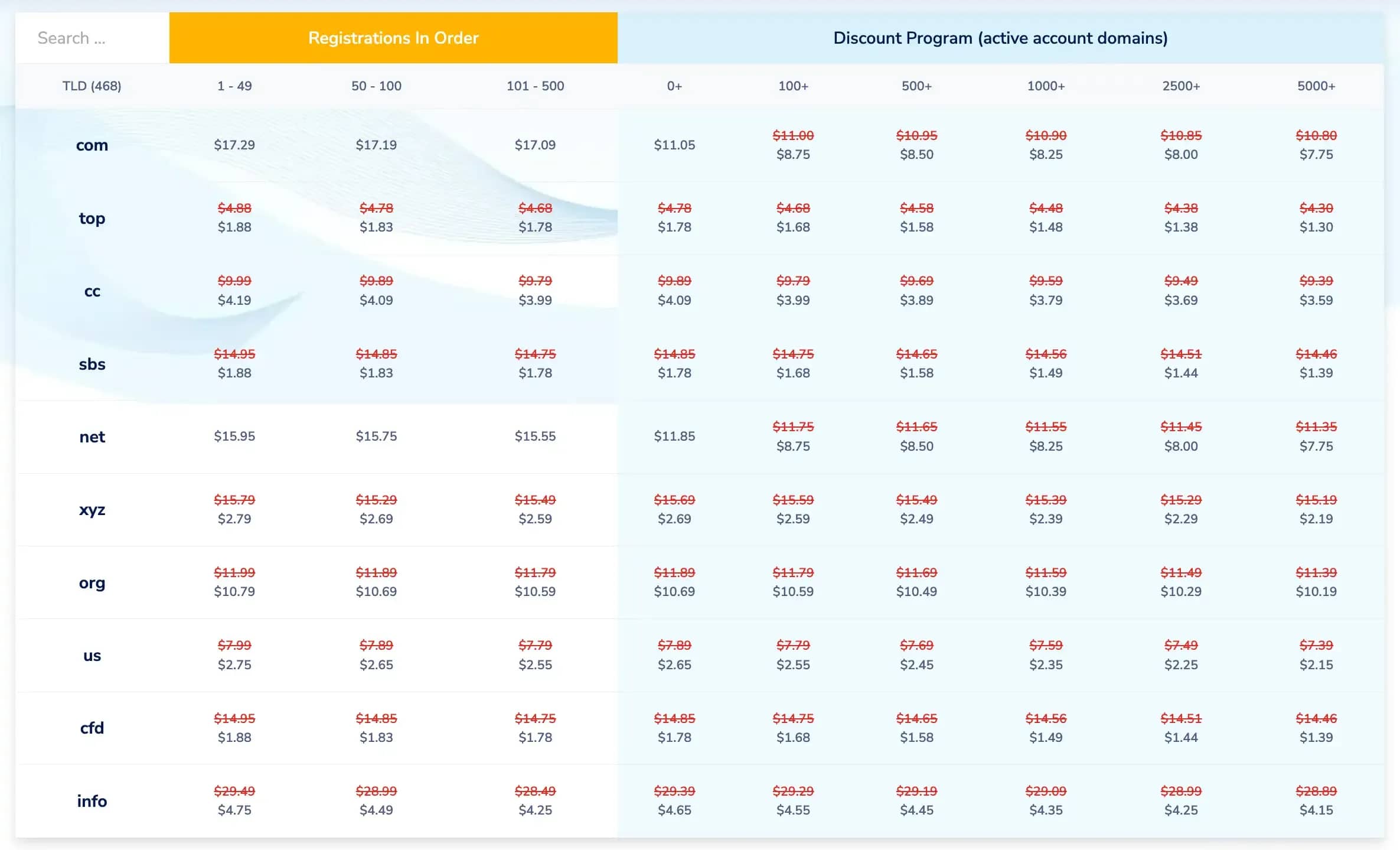
- First-level zones (TLD): .com, .net, .org — this is the classic and gold standard. They rarely cost very cheaply (base wholesale price is about $9-10), so any discounts below this amount are a temporary promotion.
- National zones (ccTLD): .ru, .by, .kz — often cost less than international ones (for example, registering .ru will cost 150-200 rubles), but have their own registration rules and require passport details.
- New domains (gTLD): .xyz, .online, .store, .icu — an ideal budget option for a start. In the first year they are given away for $1-2, but renewal can cost from $15 to $35.
- Special zones: .tk, .ml, .cf, .ga — are positioned as free. Sounds tempting, but carries massive risks in the form of sudden blockings.
Also, do not forget about hidden costs: always compare the registration price (1st year) with the renewal price (2nd and subsequent). Also pay attention to the fee for hiding your data in WHOIS and potential commissions for transferring to another registrar.
Where to look for cheap domains: 7 proven options
Namecheap
One of the most popular services, which justifies its name. Registering .com will cost $10.98 for the first year.
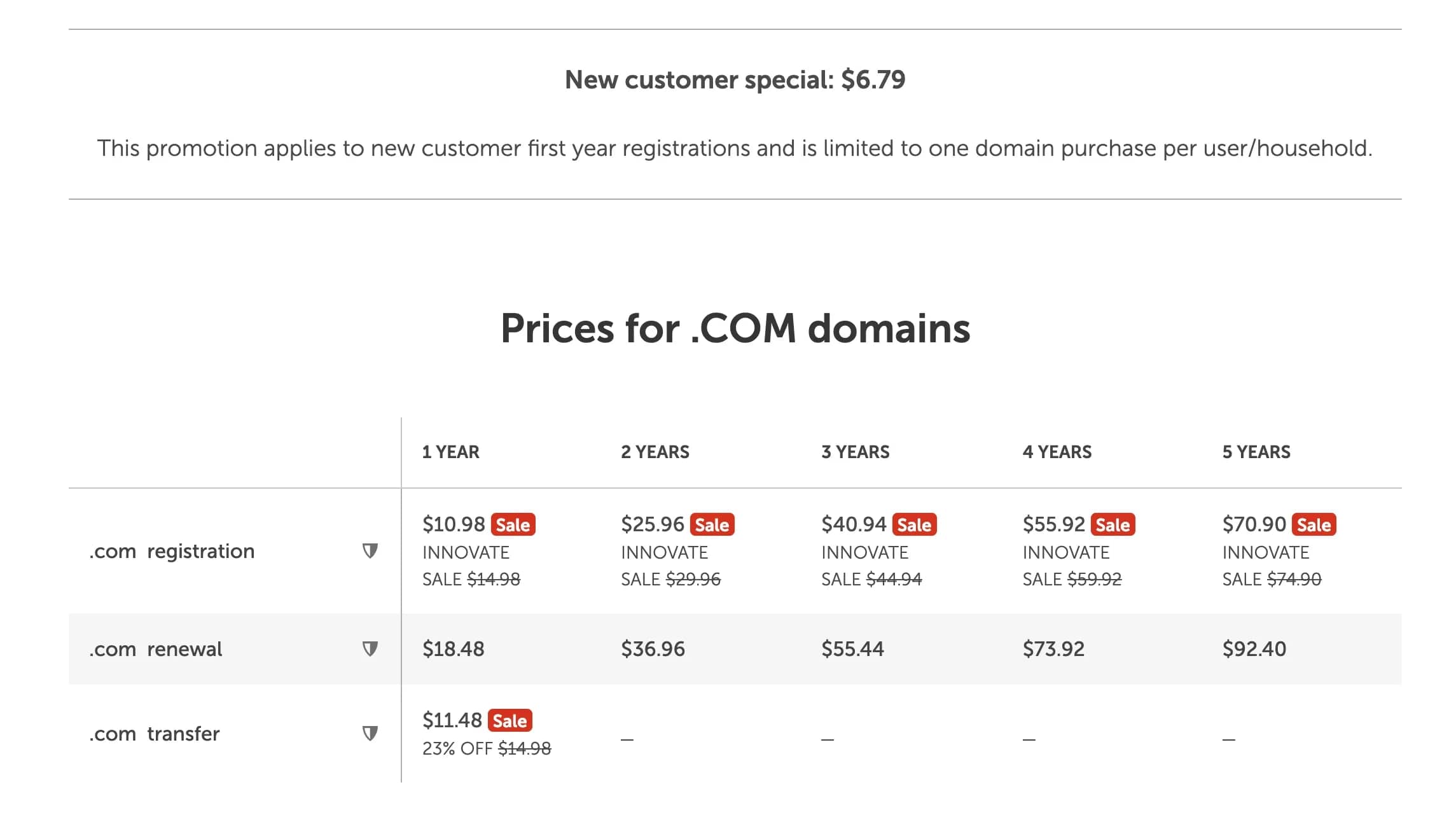
Pros: fair price, intuitive interface, excellent support and free WHOIS protection forever.
Cons: renewal costs more than registration.
Porkbun
A favorite of geeks and developers with a funny design. Prices for new domains start from $1 with minimal markup.
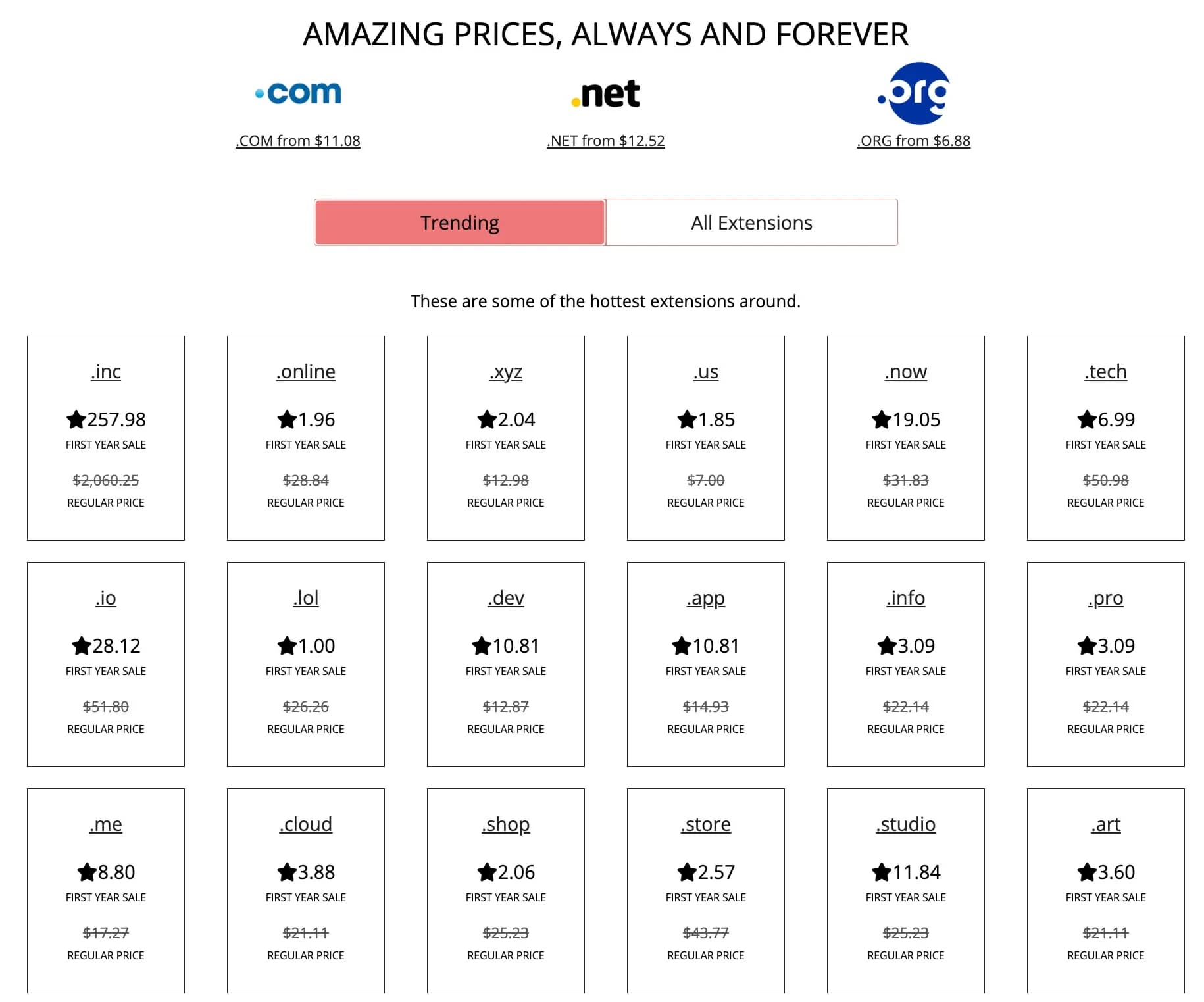
Pros: one of the cheapest registrars at the renewal stage. Free SSL and WHOIS privacy.
Cons: fewer ready-made integrations with website builders.
Cloudflare Registrar
Cloudflare sells domains at wholesale cost, without adding a cent on top of the price.
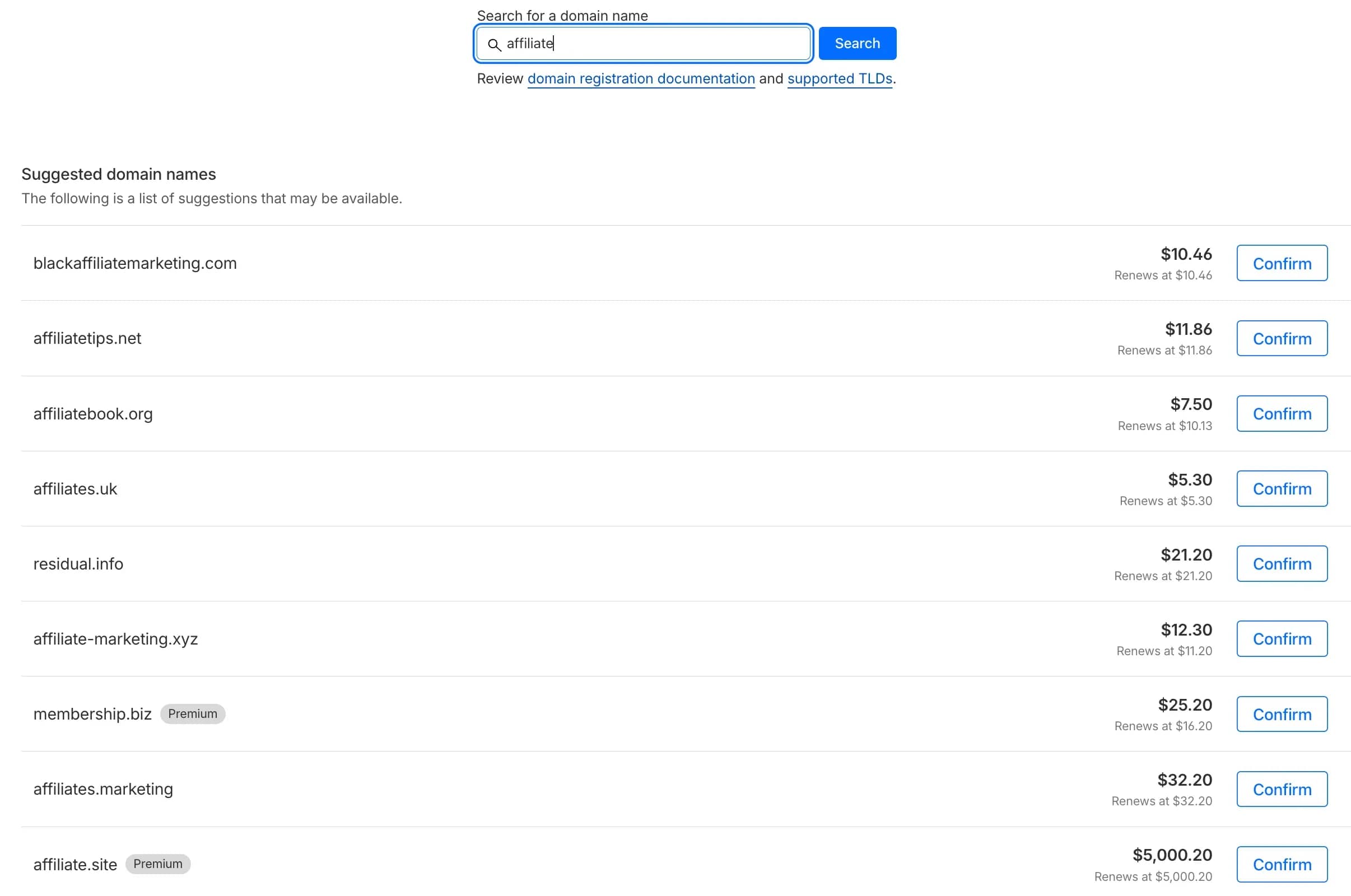
Pros: registration price equals renewal price except for premium domains. No hidden fees and free privacy.
Cons: available only for Cloudflare users (you need to change NS servers to theirs, the free plan is suitable). Inconvenient search, so you cannot filter by price.
GoDaddy
The largest registrar in the world. Famous for its promotions, where a domain is given away for $0.01–$4.99 for the first year.

Pros: scale, huge number of coupons and promo codes for new clients.
Cons: renewal price skyrockets 3-4 times. Aggressive sales of additional services in the cart.
Squarespace
Google sold its domain business to Squarespace. Nevertheless, the principles remain similar for now: standard prices without jumps.
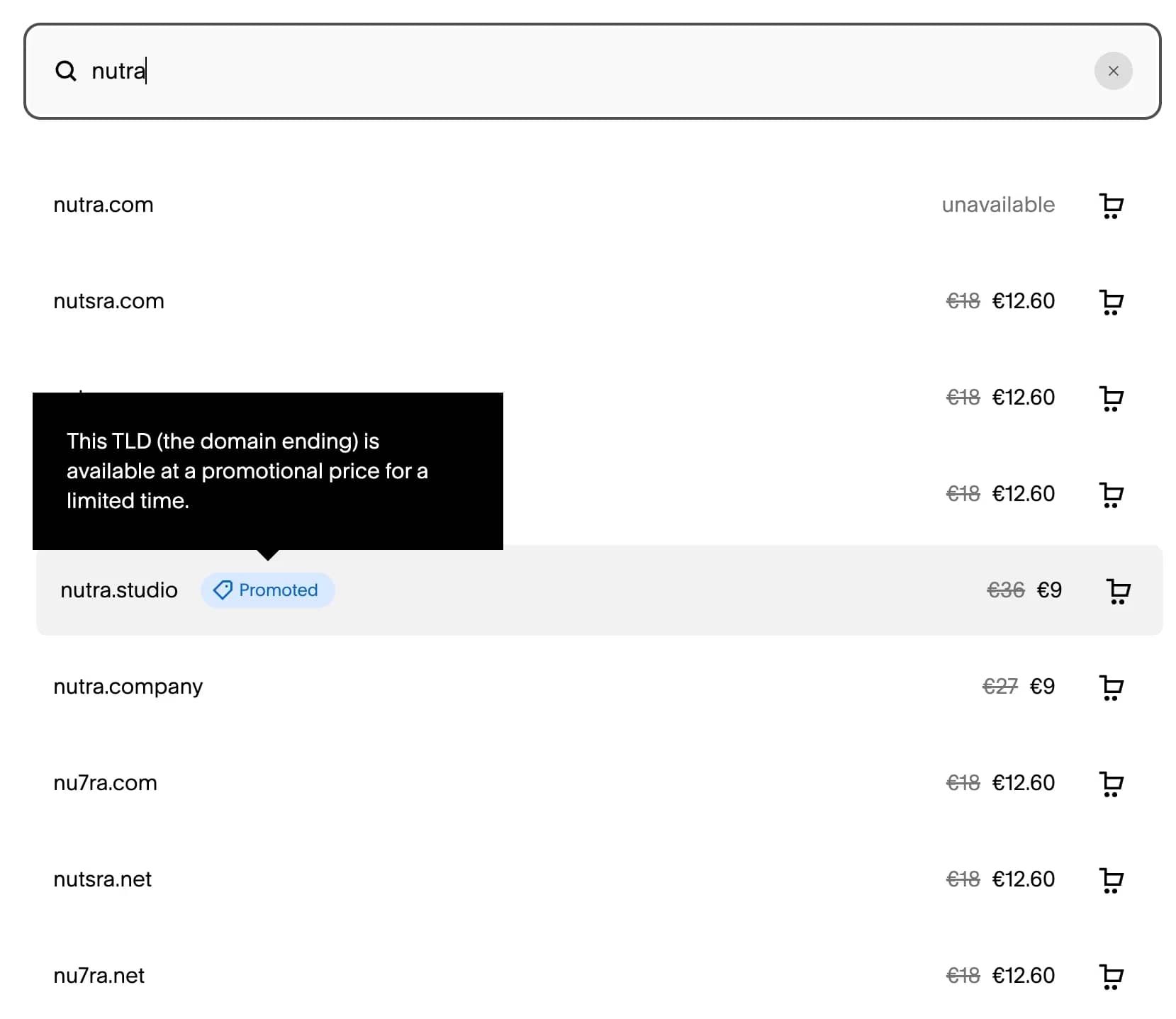
Pros: transparent tariff grid, convenient integration with services like Google Workspace.
Cons: due to the Squarespace acquisition, the future of the platform and pricing policy remains in question.
NameSilo
An excellent old-school registrar for bulk buyers. Prices for new TLDs range around $2–$8 with fixed tariffs.
Pros: pleasant renewal prices, lifetime free WHOIS privacy.
Cons: users note an outdated control panel interface, weak technical support, and mediocre hosting.
Domain marketplaces (Dan, Sedo, NameCheap Marketplace)
If the desired name is already taken, it can be bought out on specialized marketplaces.
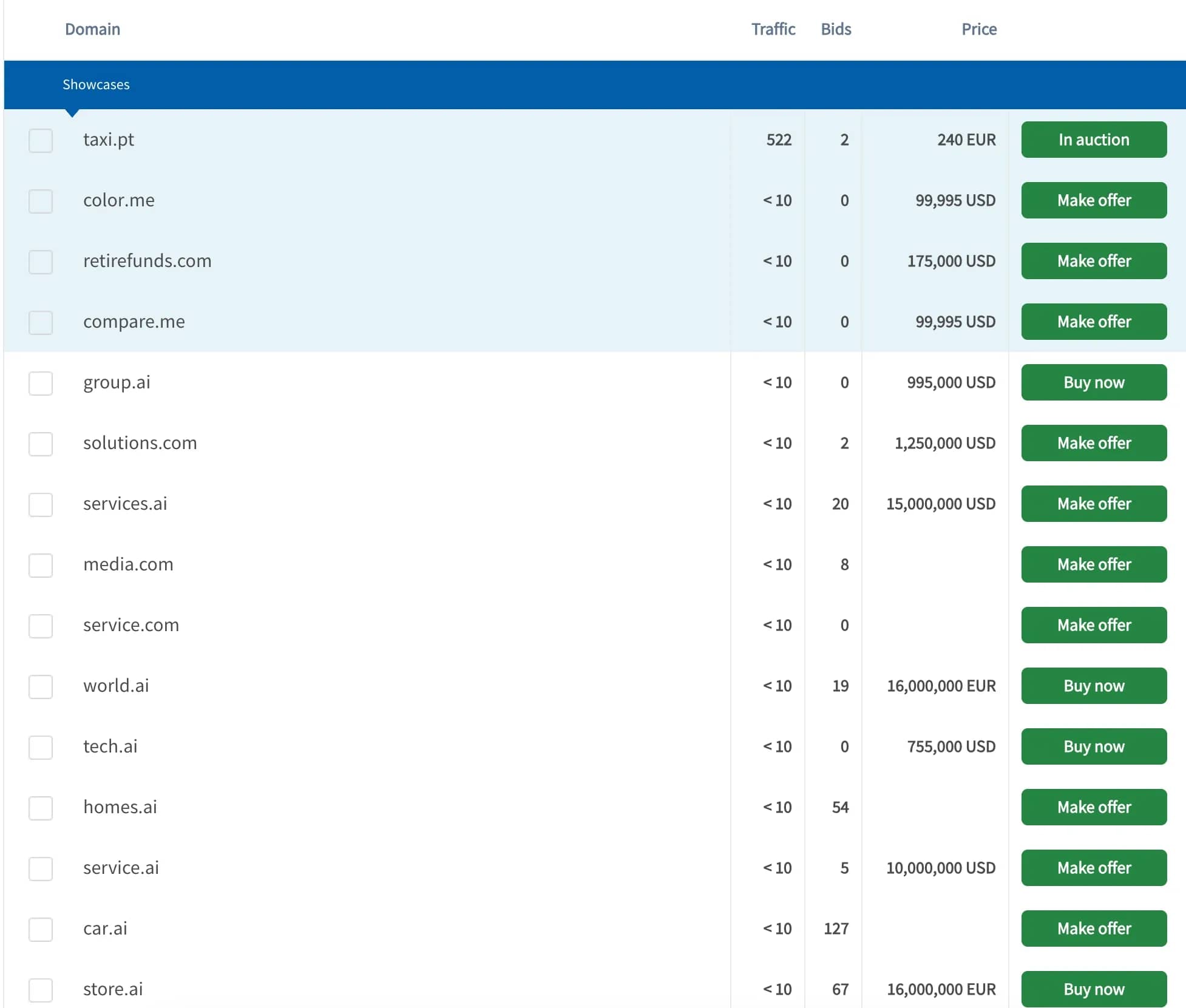
Pros: the only chance to get a cool premium domain.
Cons: it is not cheap. Prices are formed by the market and start from hundreds of dollars.
Comparison table: real domain cost for 3 years
| Registrar | Zone | 1 year (registration) | 2 year (renewal) | 3 year (renewal) | WHOIS privacy | Total for 3 years |
| Porkbun | .com | ~$7.00* | ~$11.08 | ~$11.08 | Free | ~$29.16 |
| Cloudflare | .com | ~$10.46 | ~$10.46 | ~$10.46 | Free | ~$31.38 |
| NameSilo | .com | ~$11.95 | ~$13.95 | ~$13.95 | Free | ~$39.85 |
| Namecheap | .com | ~$6.79* | ~$18.48 | ~$18.48 | Free | ~$43.75 |
| GoDaddy | .com | ~$4.99* | ~$21.99 | ~$21.99 | Basic included | ~$48.97 |
| Squarespace | .com | $20.00 | $20.00 | $20.00 | Free | $60.00 |
* The first year price is indicated taking into account standard discounts for new users. Without them, the starting price is usually equal to the renewal price.
Key market changes and insights for 2026:
- Cloudflare still holds the palm for honesty. They sell .com domains strictly at cost: the wholesale release price of the Verisign registry + ICANN fee. You won't find a renewal cheaper than $10.46 anywhere.
- Porkbun aggressively captures the audience: they subsidize the first year (giving it away at a loss for themselves at about $7), and the renewal price ($11.08) is one of the most pleasant on the market — their margin is pennies. In the context of 3 years, they even beat Cloudflare due to the cheap first year.
- Namecheap renewals have seriously gone up in price. If earlier they cost about $12-14, then in 2026 the renewal of a basic .com will cost $18.48. Free WHOIS smooths the situation, but they can no longer be called the cheapest option in the long run.
- Google Domains is officially closed: all its assets have been transferred to Squarespace. Now you will have to pay from $20 every year for a transparent and convenient service.
- Under market pressure, GoDaddy stopped demanding $10-15 over budget for basic WHOIS, but their renewal price is still one of the highest on the market — $21.99. The low price in the first year most often requires mandatory payment for the domain for 2 years in advance.
Pitfalls of cheap domains
Before clicking the "Pay" button, check the cart for the presence of these items:
- First year price vs renewal price. A classic GoDaddy trick (registration for $4.99, and the next year an invoice for $21.99 is issued).
- Paid WHOIS privacy. Without it, your email and phone will get into the public spammer database. With the good guys (Namecheap, Cloudflare) it is free. With others, it can cost $5–15 per year.
- Fees for changing the registrar. Some companies specifically complicate or charge for the process of leaving for a competitor.
ICANN fee. Mandatory tax commission of $0.2 for international domains. If it is not in the price, it will be added at the payment stage. - Auto-renewal. Enabled by default for 99% of registrars. The money will be deducted from the card 15-30 days before the expiration date without additional warning.
To reduce domain expenses:
- look for coupons on specialized forums — they allow you to save up to 20% on new registrations or wait for a sale — on Black Friday, Cyber Monday or NameCheap Birthday discounts reach 90%;
- transfer domains to Cloudflare after the first promotional year with another registrar;
- if you caught a good price and are confident in the project, pay for the domain immediately for 5-10 years. This will lock the price and save you from annual inflation;
- pay attention to .xyz, .online, .site zones — they look modern and often cost less both upon purchase and renewal.
Conclusion
You need to understand the main thing: a cheap domain does not mean a good domain. When choosing, pay attention not only to the banner with a $1 price, but also to the reputation of the domain zone, the cost of renewal, and the convenience of transfer.
For maximum savings over a distance, the best option would be Cloudflare. If you need the most simple interface and a balance of price with comfort, choose Namecheap or Porkbun.
Before buying, be sure to scroll down the tariff page, check the renewal price and carefully read the fine print!
Frequently asked questions
- No. A domain name cannot be bought into perpetual ownership. You rent it from a registrar for a period of 1 year to 10 years maximum, after which the rent must be renewed.
- The price is dictated by history, reputation, and demand. The .com domain zone is associated with reliability, while new zones are often used for budget projects, therefore their registries dump prices to attract an audience.
- You can find the owner and buy out the name through domain marketplaces, use a backorder service that will intercept the domain if the owner forgets to renew it, or simply choose an alternative zone (.net, .co, .io).
- The process is automated: you need to unlock the domain at the current registrar, obtain a secret EPP code, and enter it at the new one. However, remember that according to ICANN rules, transfer is blocked in the first 60 days after initial registration.
- Due to the lack of registration fees, these zones began to attract phishers, spammers, and doorway creators. As a result, search engines and antiviruses have a zero level of trust in such sites and often block them preventively.
Why Google Blocks Accounts and What Your Antidetect Has to Do With It
Google has once again complicated the mechanisms of digital identification by deploying a new, more sophisticated layer of protection based on proprietary HTTP headers. This quiet change caught most of the market off guard, triggering a wave of rushed updates. While others hastily released superficial 'fixes', we realized that we were dealing not with a minor issue but with a fundamental shift that required deep and comprehensive analysis.
SOCKS vs HTTP Proxy: What’s the Real Difference and Which One to Choose?
There are times when you don’t want a website to link the request back to your device. That’s where a proxy comes in, it acts like a middle layer and sends the request for you. The site sees the proxy’s info instead of yours. It’s a go-to trick when you’re trying to see a page that’s not available in your region, pull content that’s restricted by location, or avoid hitting a wall when sending lots of requests.

The Best Alternative to OBS Studio
Working with a webcam on many online platforms can turn into a real challenge. A strict oval or rectangular frame appears on the screen, but your image doesn’t align perfectly with it. As a result, the system blocks further progress, demanding perfect alignment, and your workflow is disrupted before it even begins.